
I have a goal of 52 books this year. I am sitting at 34 books so far- so I feel like I am in a good place- to finish- only 28 books left. This of course does not account for the Fall, when I begin teaching. So, its entirely possible I get 36 books on the year. There are a handful though, that I am committed to reading this year. They are loaded onto the iPad ready for reading.
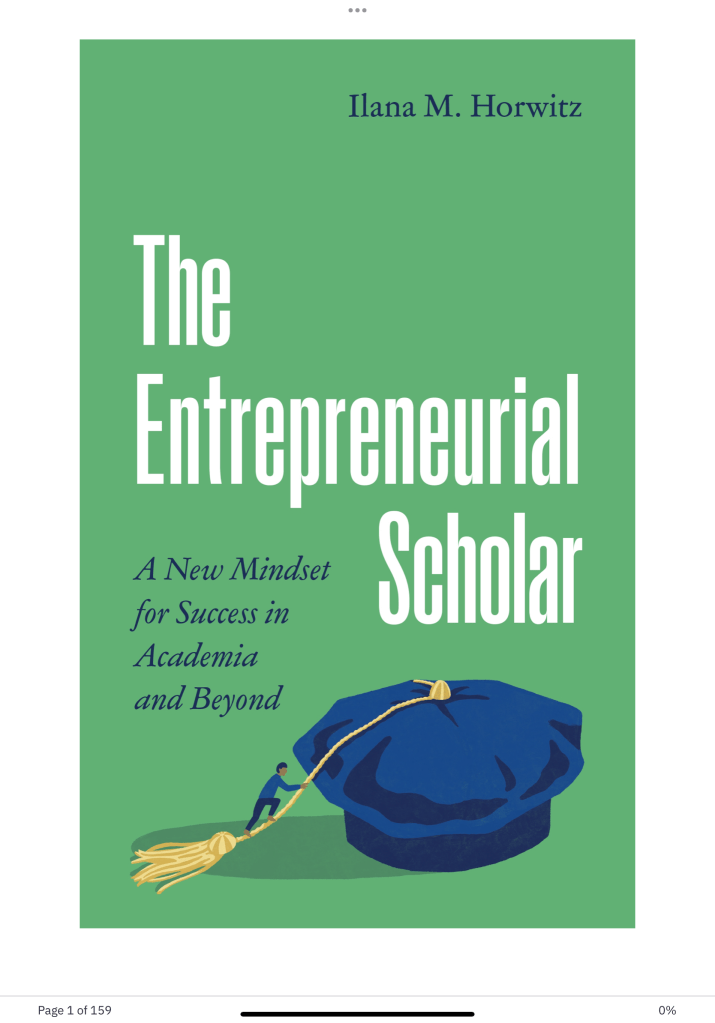
I learned about this book on Blusky. I think its likely a must read for anyone in higher ed with a PhD, but who is not on the tenure track. Or sure they want to stay on it. Either way- I am interested to read about the experiences of the author who has worked in higher ed, management consulting, and startups. We’re told as PhDs that we have skills that could be valued outside the academy- I am interested to see what she has to say about how these skills can be deployed in these other environments.
2. Tonight in Jungle Land: The Making of Born to Run (Peter Ames Carlin)
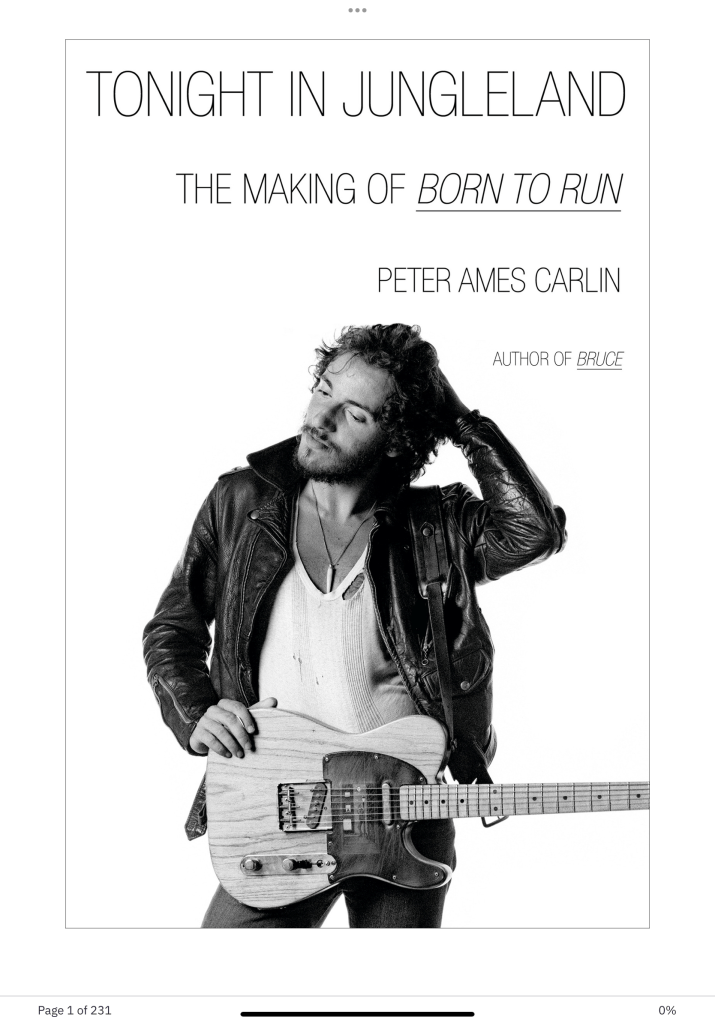
If you knew in me real life- you’d probably know that I am a massive Bruce Springsteen fan. My brother, sister, and I knew words to Born in the USA practically before we knew our ABCs. I’ve been intrigued with the album Born to Run, because it is, in my opinion, the BEST rock in roll album of all time. Period. The album was published in 1975, and it came to symbolize his arrival in the rock scene. Anyway, listened to his autobiography during the pandemic and was intrigued by the process for how the album came together. Can’t believe that someone wrote a book about it.
3. How Racism Takes Place (George Lipsitz)
As a health equity scholar, I am constantly and forever thinking about the enduring effect of place. Particularly because I live in Chicago, home to one of the most infamous examples of structural racism (the construction of the Dan Ryan Expressway to reinforce racial segregation in the city). It’s use as a fast way in and out of the city allowed for the exodus of Whites from the SW Side of Chicago. But also, the final route of the Dan Ryan through the city eliminated more Black-owned homes than White.

 J.Bishop-Royse,PhD MS
Leave a comment